Initially skeptical, contractors in the sector have embraced material recovery. In 2026, they are shifting into high gear.
Reusing materials from demolished buildings to construct new ones. Nothing new there! Those who appreciate old buildings know that this common sense of the builder was already practiced in the days of fortified castles. The notable difference is that today’s concrete blocks, welded wire mesh, and formwork timbers are not as easily reused as the dressed stones and oak beams of yesteryear.
Nevertheless, construction companies are not neglecting the benefits of recycling.
And for good reason. This sector generates approximately 246 million tons of waste per year, which is 57 million tons more than household waste. Mentalities have changed considerably, observe experts of recycling eco-organizations. Ten years ago, people said recycling was both complicated and an economic absurdity. Today, they see that waste is becoming strategic.
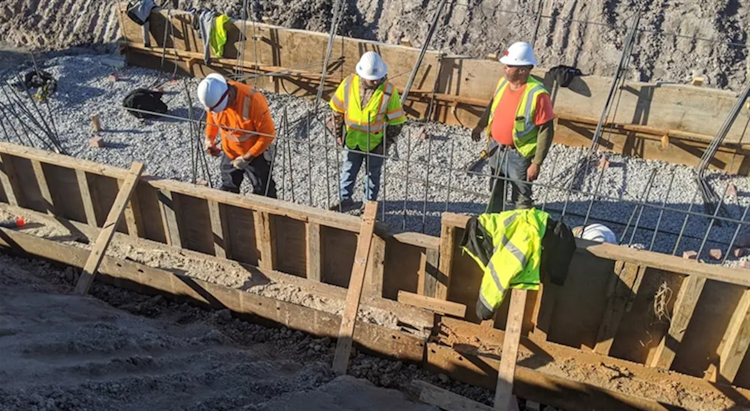
The majority of construction sites have converted to recovery, and the sector has embraced a virtuous approach. According to the waste management pros, three-quarters of building materials are already being recovered. At the top of the list are metals, widely recovered for their high value. Wood waste is also finely shredded to become particleboard. What is unrecoverable is sent to an energy recovery stream.
As for concrete, it is often crushed and reused by public works projects to create road embankments. A quarter of the materials are not recycled and end up in landfills. That amounts to 70 million tons. It’s enormous, and we must intensify our efforts to move towards 100% recycled content.
Towards new materials
With this objective in mind, the government, under the anti-waste for a circular economy law, has mandated the implementation of an extended producer responsibility (EPR) scheme. Based on the polluter-pays principle, the manufacturer, or the first seller of a construction material on the market, must bear the cost of its recovery and recycling.
To this end, since May, they have been paying an eco-contribution to one of the four approved recovery and recycling organizations, which are now responsible for better organizing the sector. In reality, the manufacturer will pass on the eco-contribution to the sale of the material, and the construction companies that purchase it will partially incorporate it into the final bill for the work, according to the Building Federation. For now, the amount is relatively low. However, we are convinced that it will increase significantly from 2024 onwards, they predict.
For their part, the eco-organizations for recovery and recycling have their work cut out for them.
They will have to ensure that the country has a sufficient network of collection points so that construction companies are guaranteed to find one within 10 kilometers in urban areas and within 20 kilometers in rural areas. They will also be responsible for collecting illegally dumped waste.
Finally, they will have to ensure that the conditions for accepting waste are the same everywhere. #That’s not the case today. Construction companies are waiting to find out if they will be required to refine their waste sorting procedures, or risk having their waste rejected by recycling centers. Despite these uncertainties, everyone agrees that these measures are a good thing.
Finally, some eco-organizations assure that they will intensify research and development on recycling multi-component materials, which are more complex to recycle than others, and encourage manufacturers to shift towards using single-component materials. The era of cut stone and oak beams, however, remains a distant memory. This century marks the end of architectural anachronisms. Due to regulations, the reuse of a material, in its original state, represents less than 1% of total recovery.